
Photo to 3D Challenge – Recreating Real Car Photography in 3D
Designed in: Autodesk 3ds Max | Project Type: Photo-to-3D Vehicle Recreation Study
This project was created as part of a photo-to-3D recreation challenge focused on accurately reproducing a real-world automotive photograph inside a fully digital environment. The objective was not only to recreate the vehicle itself, but also to capture the atmosphere, composition, lighting, materials, and overall mood of the original image. Using Autodesk Inventor as the primary modeling tool, the project became an exercise in observation, precision, and visual storytelling through automotive visualization.
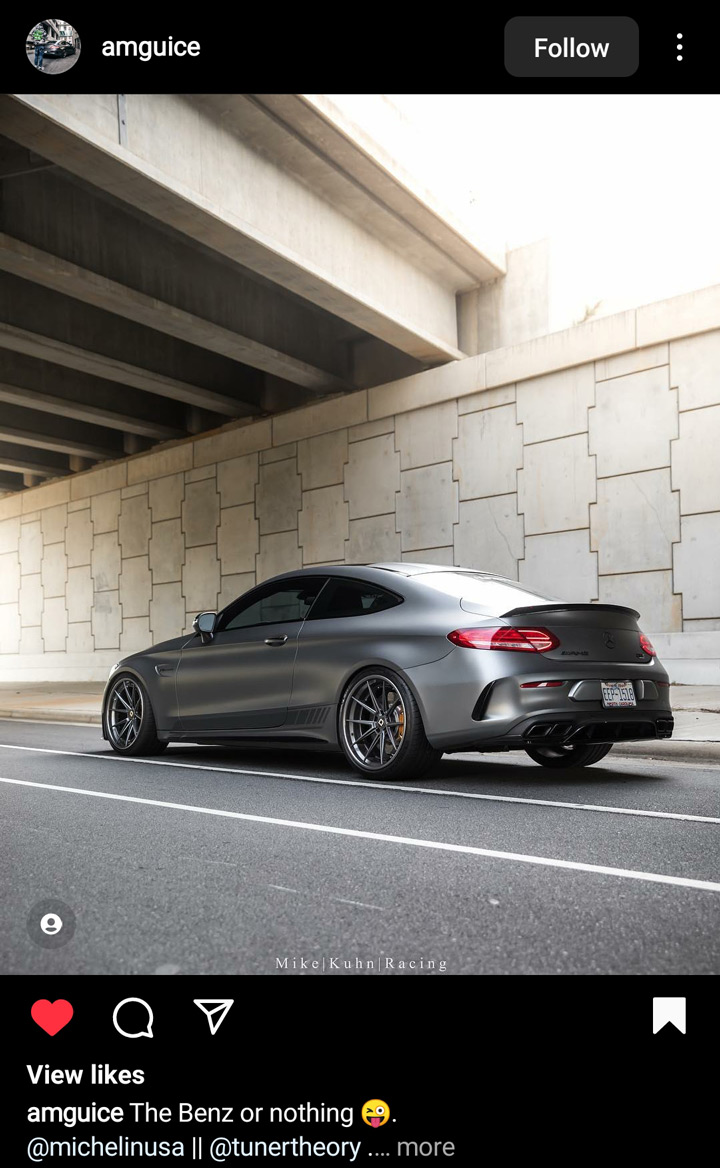
The first reference photograph established the visual direction for the entire project. The sleek Mercedes-Benz, photographed beneath a modern concrete structure, provided an excellent combination of architectural lines, soft lighting, and premium automotive styling. The image served as the foundation for studying proportions, camera placement, material behavior, and environmental lighting.
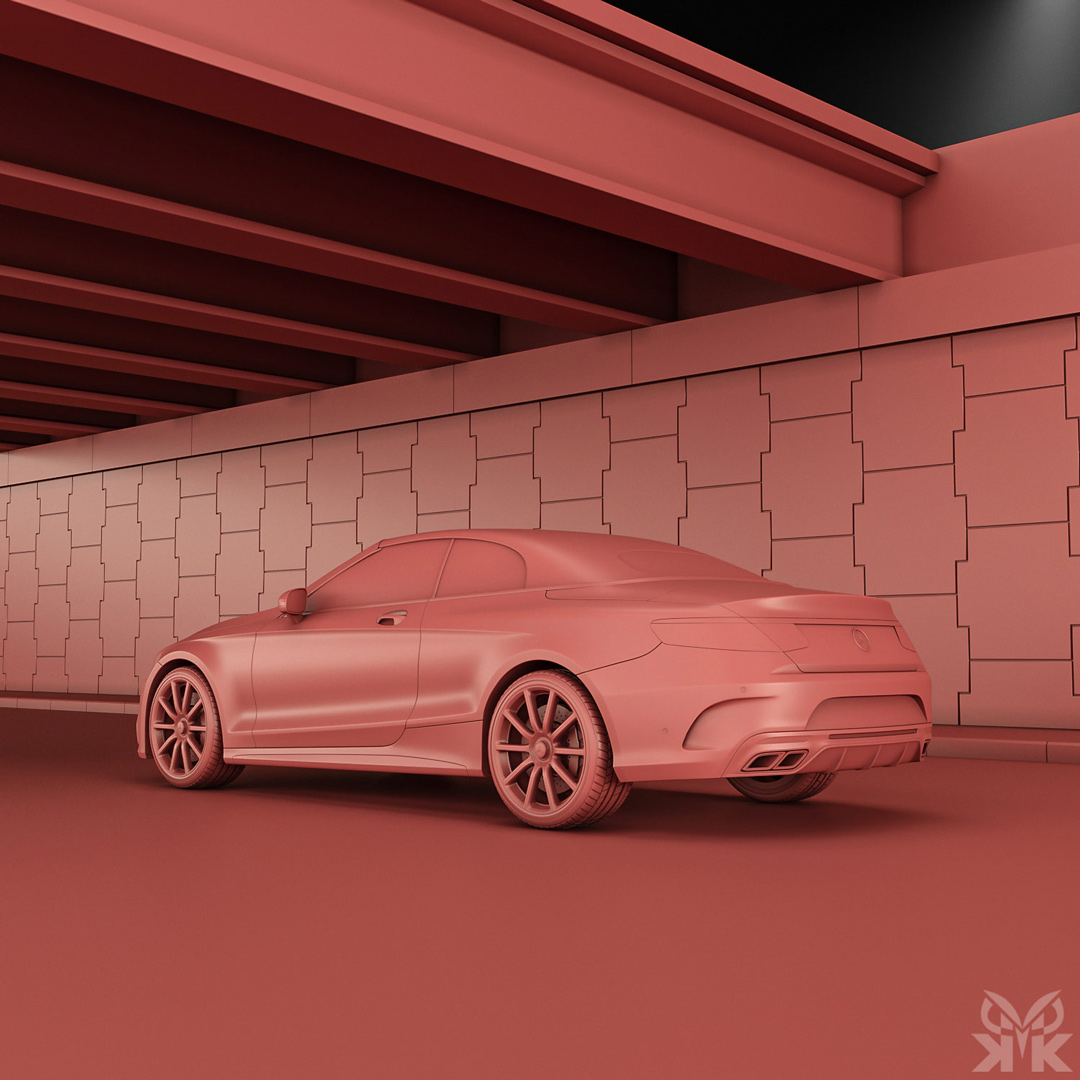
After analyzing the reference, I began constructing the vehicle and surrounding environment in Autodesk 3ds Max. The initial clay render was used to evaluate overall proportions, stance, and scene composition before introducing materials or lighting. Working in clay mode helped isolate the geometry and ensured that the primary forms remained accurate to the original photograph.

Once the base modeling phase was completed, I generated a fully shaded preview to compare the recreation against the source image. At this stage, adjustments were made to camera positioning, vehicle placement, and environmental scale to strengthen the visual match. The goal was to recreate not only the physical objects but also the visual balance and atmosphere of the original scene.

The second reference image shifted attention toward one of the most important visual elements of the vehicle, the wheel and rear quarter panel. This close-up photograph provided valuable information about wheel proportions, brake details, tire fitment, reflections, and surface transitions that would be essential for achieving a convincing final result.

To recreate this area accurately, I isolated the wheel section and refined the geometry using a dedicated clay render. This process allowed the spoke structure, rim profile, brake components, and surrounding body surfaces to be evaluated independently before moving on to materials and lighting.

The rendered wheel study demonstrates the transition from technical modeling to visual realism. Material definition, reflections, shadow behavior, and subtle surface variations were introduced to replicate the appearance of painted metal, rubber, and machined wheel components. Small refinements at this stage played a significant role in bringing the recreation closer to the original photograph.
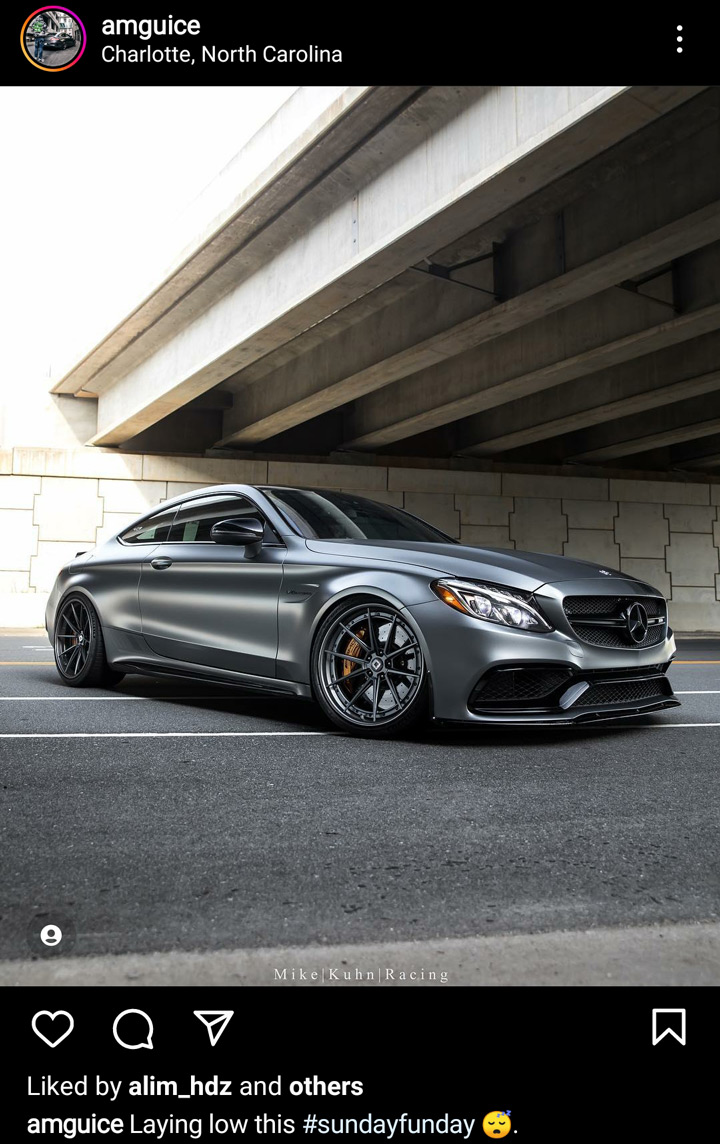
The next reference image introduced a new perspective and a different lighting scenario. Unlike the previous rear-focused composition, this view emphasized the front proportions of the vehicle, the relationship between the wheel design and bodywork, and the way natural light interacted with the surrounding architecture. Recreating this image required careful attention to camera placement, focal length, and environmental scale.
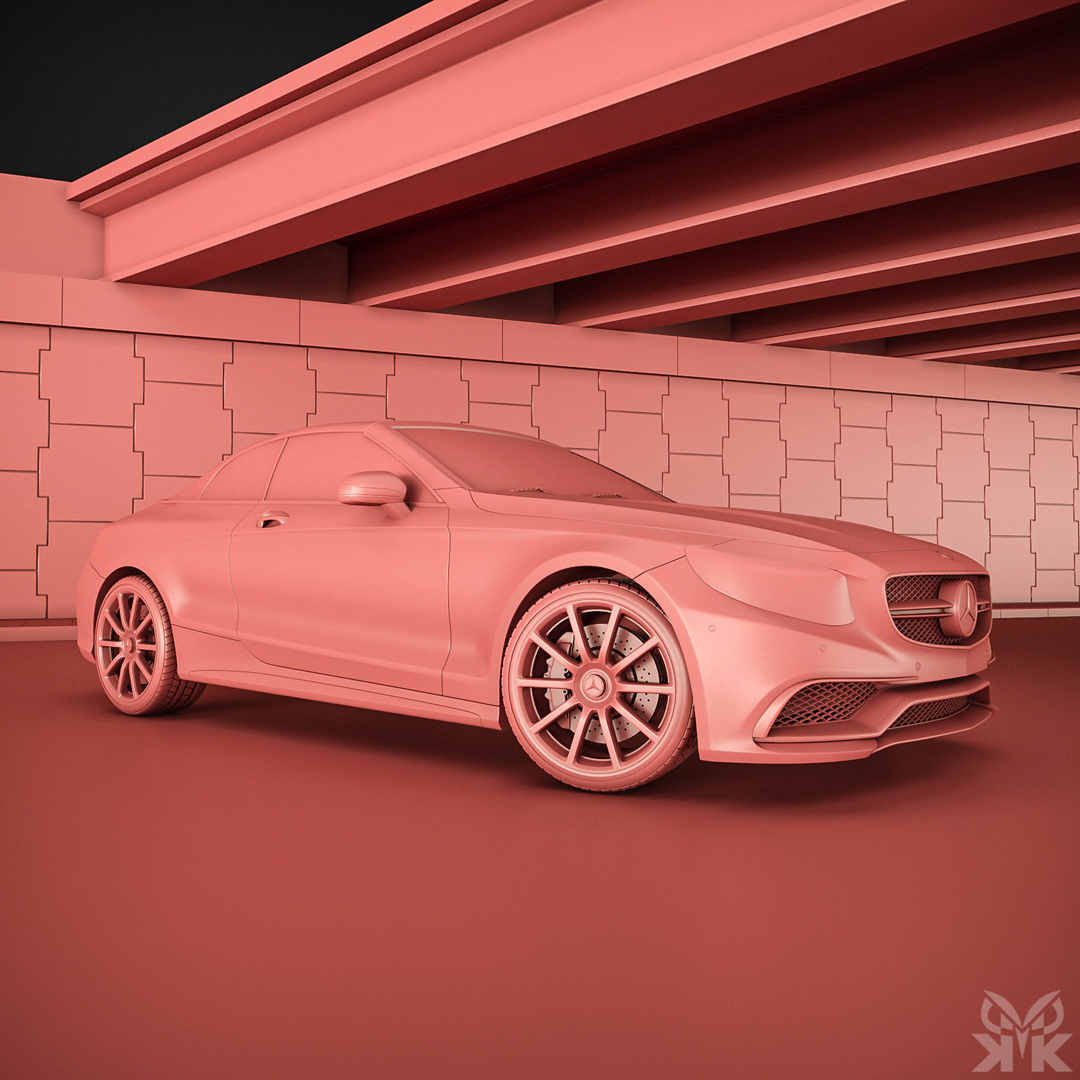
To establish an accurate foundation, I first recreated the scene as a clay render. Working without materials allowed me to focus entirely on proportions, perspective matching, and the interaction between the vehicle and its surroundings. This stage helped verify that the overall composition remained faithful to the original photograph before moving on to lighting and material development.

Once the geometry and camera alignment were finalized, I began refining the lighting and material response. Particular attention was given to the reflections running across the body panels and the subtle contrast created by the concrete structure overhead. The objective was to reproduce the restrained, premium appearance of the original photograph while preserving realistic surface behavior.
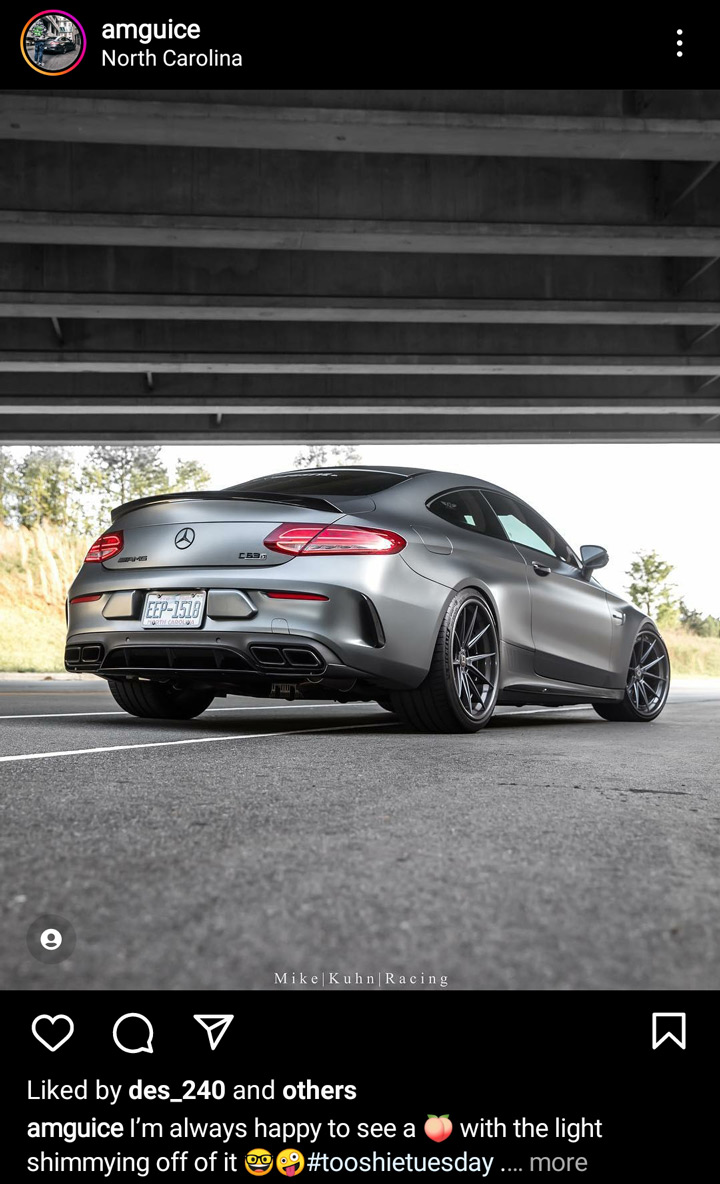
The final reference photograph shifted the focus back to the rear of the vehicle, presenting a lower and more dramatic viewpoint. This image highlighted the sculpted rear bumper, diffuser area, taillights, and overall stance of the car. It also provided an opportunity to study how reflections and shadows define the vehicle’s volume from a completely different angle.
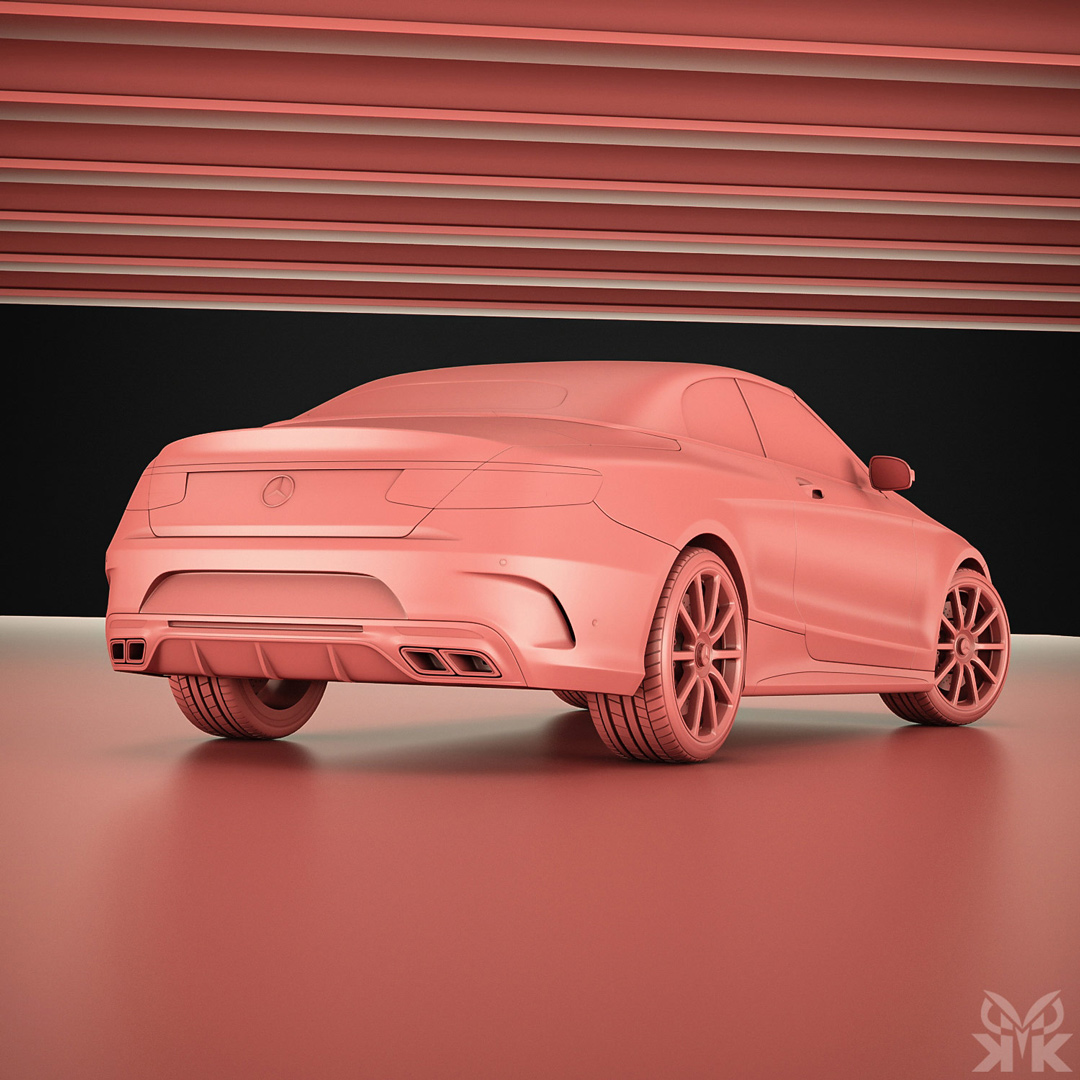
Before introducing final materials, I recreated the scene in clay form to evaluate the rear proportions and body surfaces independently. This approach made it easier to assess silhouette quality, panel flow, and wheel fitment without the distraction of reflections or texture information. The clay render served as an important validation step before producing the final visualization.

The completed render represents the culmination of the entire photo-to-3D recreation process. Every stage of the project, from modeling and camera matching to lighting and material refinement, contributed to achieving a result that closely mirrors the original photograph. More importantly, the challenge reinforced the value of observation and analysis, demonstrating that successful automotive visualization depends as much on understanding light, composition, and proportion as it does on technical modeling skills.
Related Keywords
Mercedes S Design Study, Custom Wheel Design, Mercedes S Wheels, Automotive Visualization, Autodesk Inventor Modeling, Wheel Design Concept, Alloy Wheel Design, Automotive Rendering, Vehicle Styling, Custom Rim Design, Parametric Modeling, Automotive CAD Design, Automotive Product Design, Surface Modeling, Concept Vehicle Visualization, Automotive Design Study, Vehicle Proportion Analysis, Wheel Fitment Design, Automotive 3D Modeling, Digital Vehicle Design, Industrial Design, CAD Visualization, Hard Surface Modeling, Automotive Concept Development, Custom Automotive Design
No Comments