
Chrysler K GF – Unwrapping Process in 3ds Max
Designed in: Autodesk Inventor | Unwrapped in: Autodesk 3ds Max | Project Type: Vehicle Asset Development & UV Mapping Study
The Chrysler K GF project was developed as a detailed armored vehicle study, combining precision CAD modeling with production-ready asset preparation. After completing the mechanical modeling phase in Autodesk Inventor, the project moved into Autodesk 3ds Max for UV unwrapping and texture preparation. This stage focused on creating clean, efficient UV layouts that would support realistic materials, weathering effects, decals, and military markings while maintaining consistent texel density across the entire vehicle.
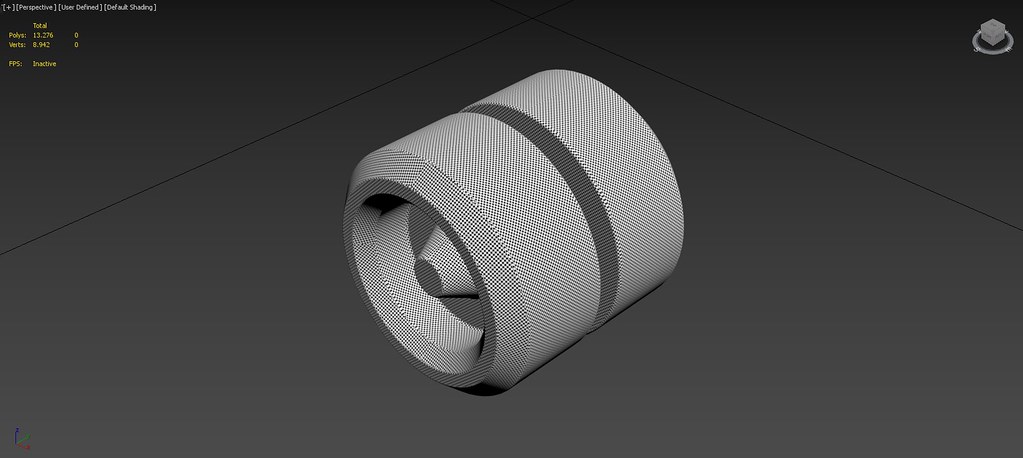
The road wheel assembly was one of the most straightforward components to prepare thanks to its highly symmetrical construction. Cylindrical surfaces, repeating details, and predictable geometry allowed the UV islands to be organized efficiently while preserving consistent texture resolution across both visible and hidden areas of the wheel.
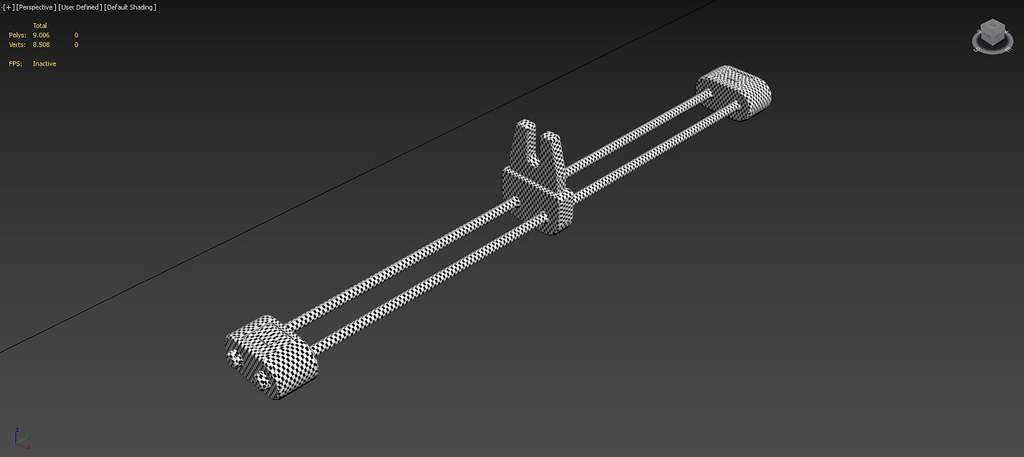
The tank’s track system consists of numerous repeating segments that share identical geometry. Rather than unwrapping every link individually, a reusable UV workflow was established to maintain consistency throughout the entire track assembly. This approach reduces production time while ensuring uniform wear patterns and material behavior across all links.
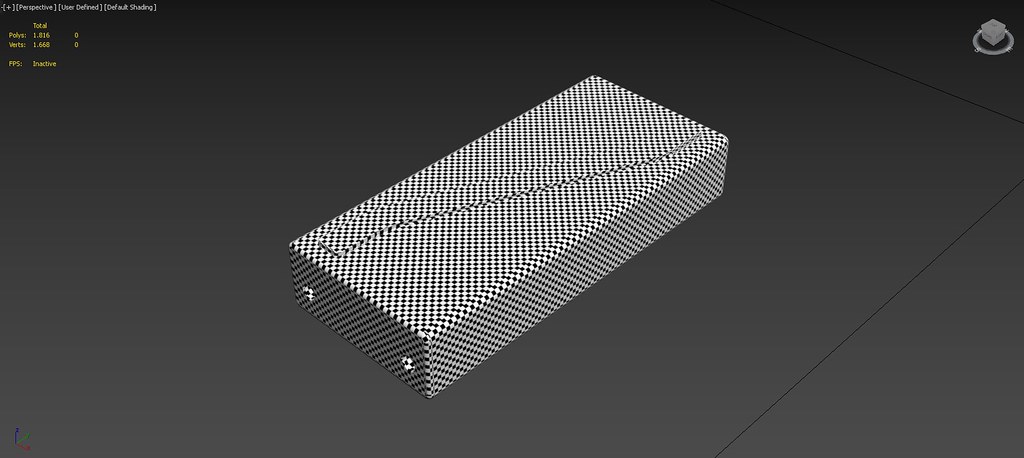
The palette section forms one of the largest structural surfaces on the Chrysler K GF and serves as a foundation for many surrounding components. Because of its broad, uninterrupted geometry, the UV layout was organized to maximize texture efficiency while maintaining consistent texel density across the entire surface. Careful island placement helps support painted markings, surface wear, dirt accumulation, and military decals without visible distortion, creating a clean foundation for the texturing stage.
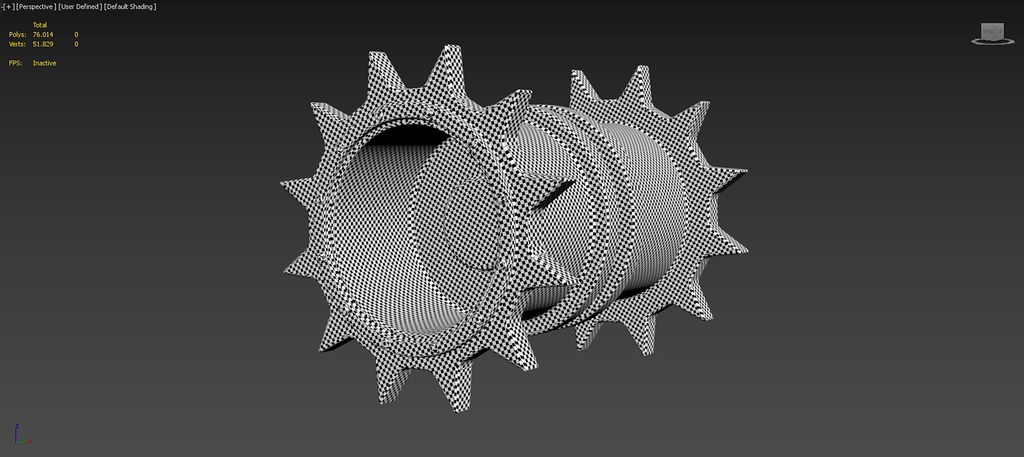
The drive sprocket combines curved surfaces, mechanical recesses, and complex tooth profiles within a relatively compact component. Multiple projection methods were used to create a balanced UV arrangement that preserves edge definition while supporting detailed metal textures, dirt accumulation, and operational wear.
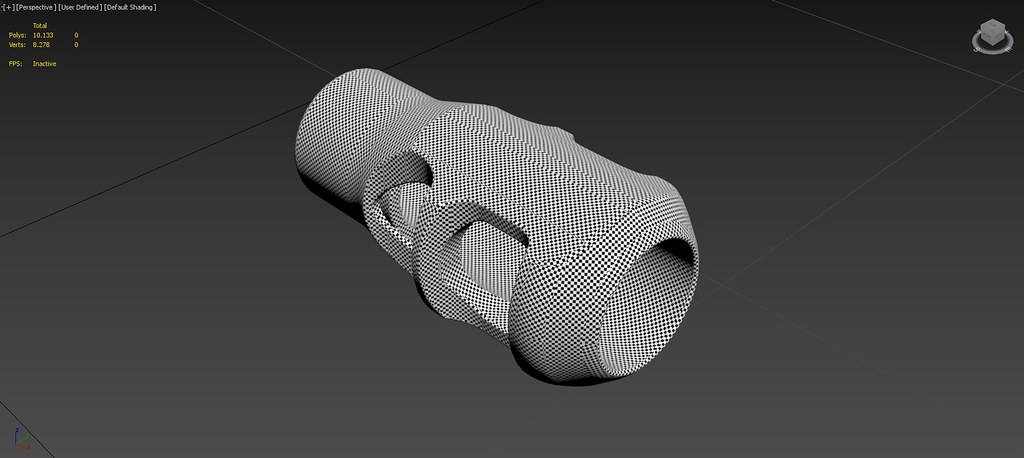
As one of the most visible elements of the vehicle, the muzzle brake required additional attention during the unwrapping process. Its combination of cylindrical forms, openings, and curved transitions demanded carefully positioned seams to maintain clean texture flow and avoid visible stretching in close-up renders.
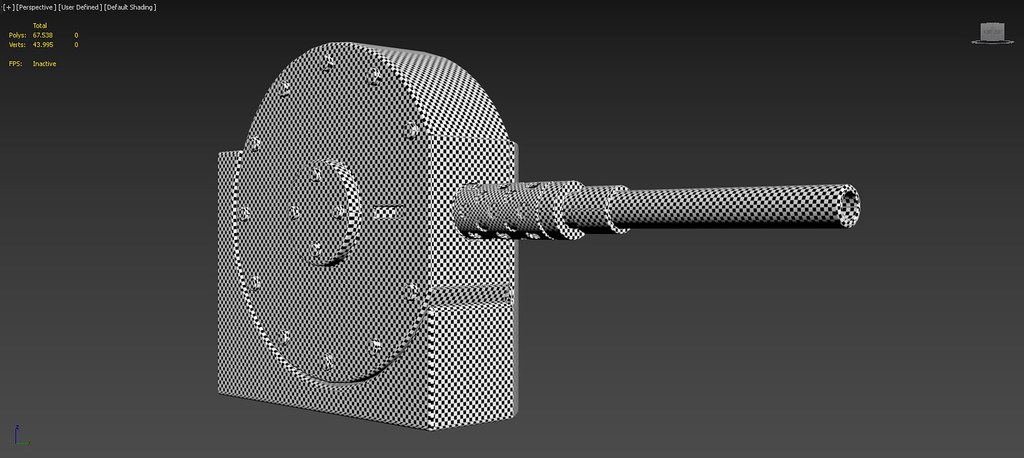
Smaller weapon systems introduce their own challenges despite their compact size. Components such as barrels, mounts, and receivers were optimized to maximize texture space while maintaining proportional detail. Efficient packing ensures these secondary assets remain visually sharp without consuming excessive texture resolution.
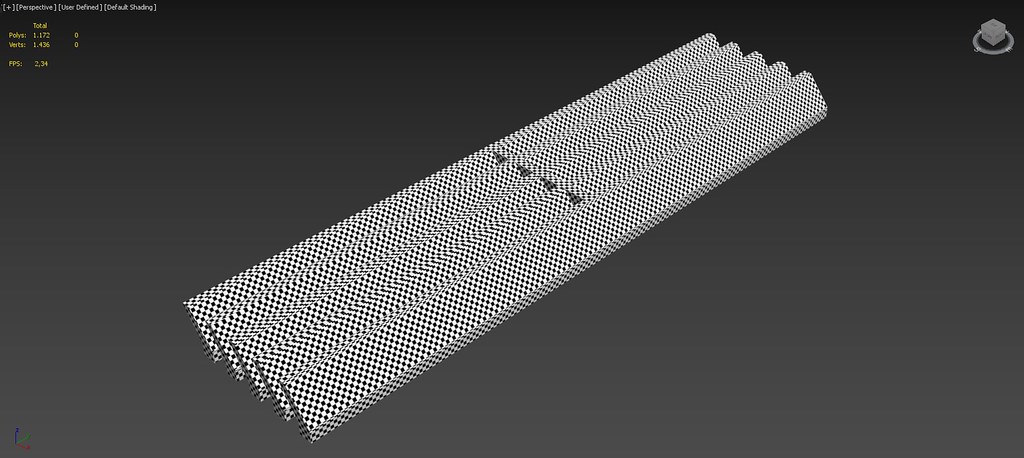
The engine compartment grille contains dense geometric detail and repeating openings that can easily create UV inefficiencies. Special attention was given to preserving straight lines and maintaining logical island organization, allowing metallic materials and subtle surface reflections to behave naturally in the final render.
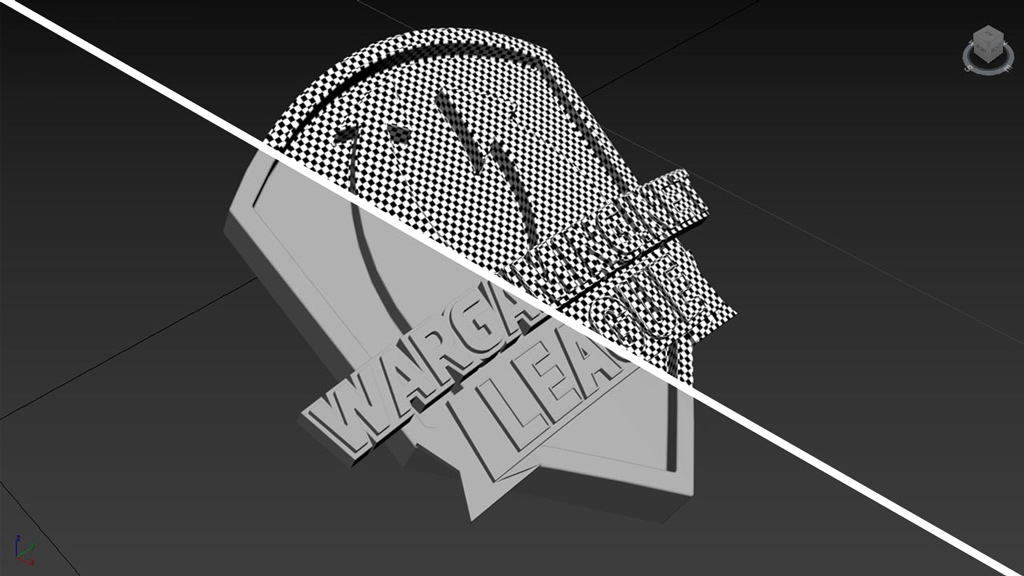
The commemorative Grand Final logo represents a unique asset within the project because it functions as both geometry and visual branding. The UV layout was designed to preserve sharp edges and clean typography, ensuring that decals, emblems, and event-specific graphics remain crisp when applied to the vehicle.
The Chrysler K GF unwrapping phase demonstrates the importance of proper UV preparation in modern asset production. Regardless of how accurate a model may be, successful texturing depends on efficient UV layouts, consistent texel density, and logical seam placement. By carefully preparing each component individually, the project established a solid foundation for material development, weathering workflows, and high-quality rendering, transforming a detailed CAD model into a production-ready armored vehicle asset.
Related Keywords
Chrysler K GF, World of Tanks Vehicle Design, Tank UV Mapping, Autodesk 3ds Max Unwrapping, Vehicle Asset Development, Hard Surface Modeling, Military Vehicle Visualization, Game Asset Workflow, UV Layout Optimization, Armored Vehicle Design, Mechanical Asset Development, Tank Texturing Workflow, Production Ready Assets, Vehicle Rendering Pipeline, CAD to Game Asset Workflow, Military Vehicle Modeling, Digital Asset Preparation, Texture Mapping Techniques, Hard Surface Visualization, Vehicle Development Process
No Comments